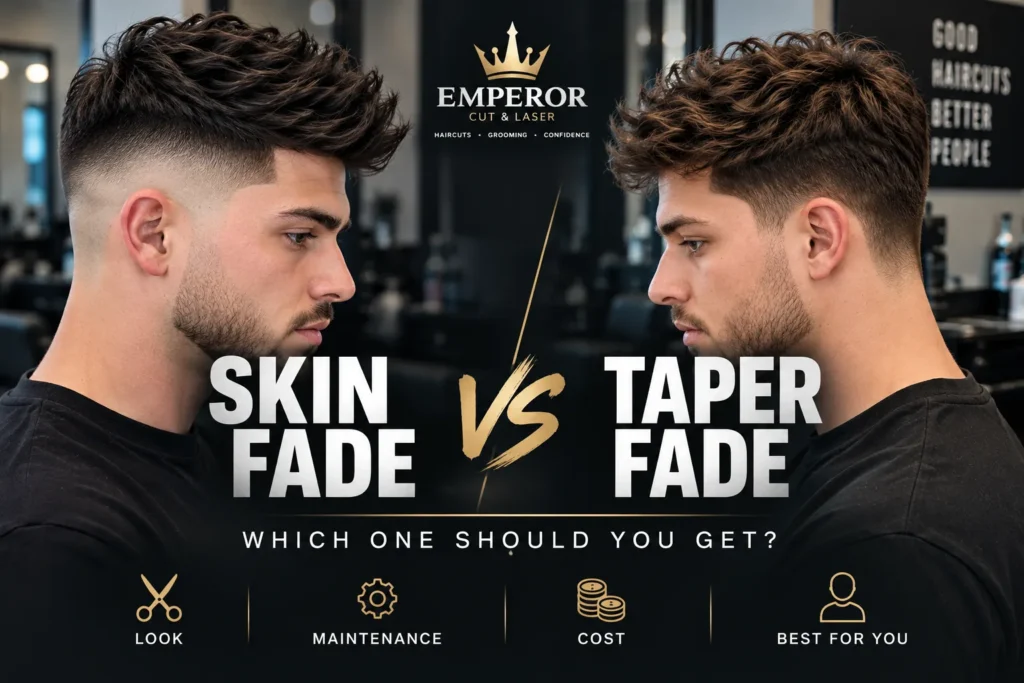
If you are stuck between a skin fade and a taper fade, the difference can look small on a haircut menu but make a noticeable change in the finished style. A skin fade haircut gradually takes the hair down to bare skin around the sides and back, creating a clean, high-contrast finish. A taper fade haircut keeps more hair in those areas and gradually shortens it around the sideburns, neckline, or both. Understanding the difference between fade and taper makes it easier to explain what you want before the clippers come out.
The choice is not simply about which haircut looks better. Your hair type, face shape, preferred level of contrast, daily routine, and how often you want to visit the barbershop all play a part. A style that looks great on one person may not give another person the same result.
So, skin fade vs taper fade: which one should you get? Let’s break down the differences so you can walk into your next appointment knowing exactly what you want.
What Is a Skin Fade?
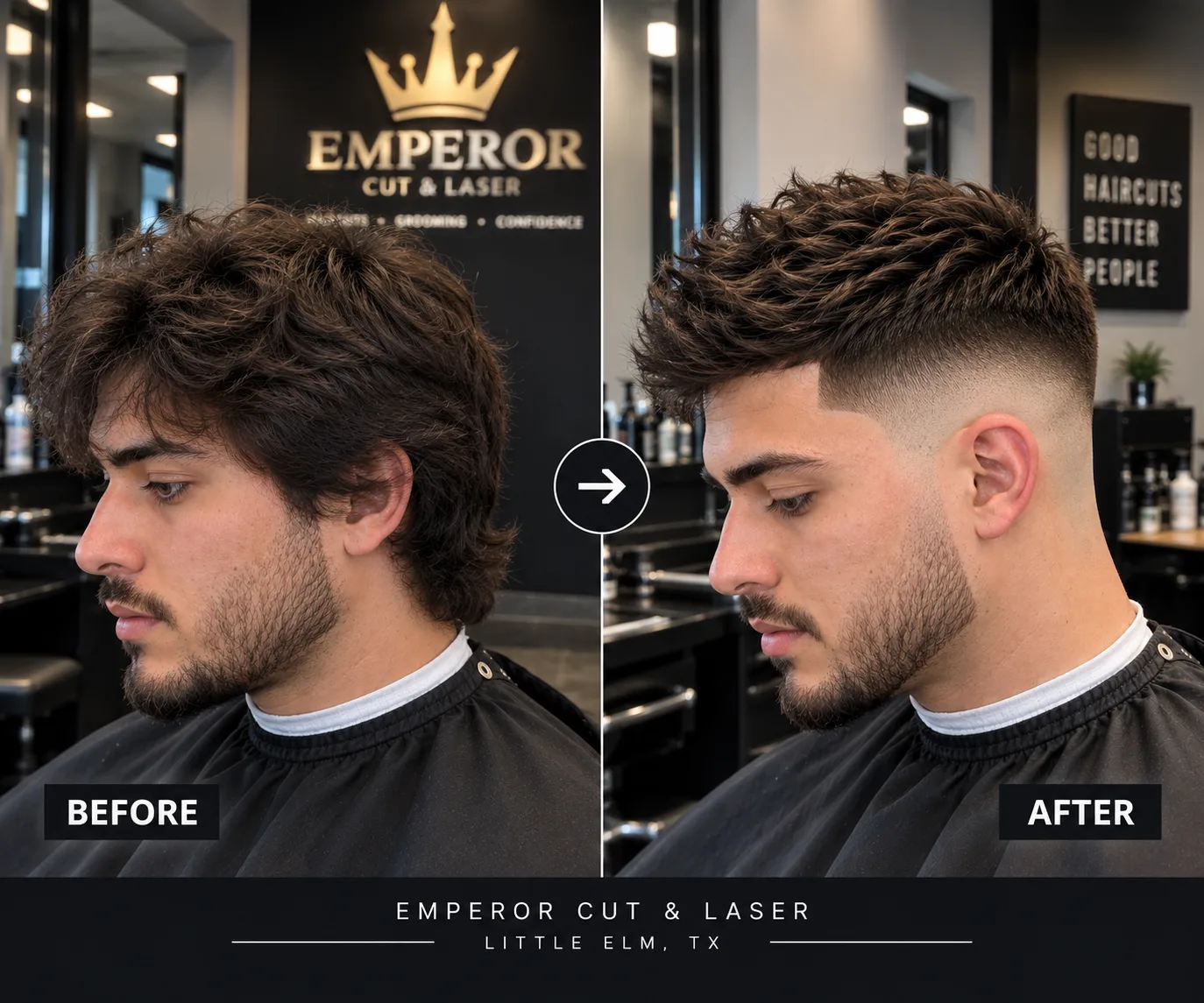
A skin fade is a haircut where the hair gradually blends from longer lengths into bare skin at the lowest point of the fade. Depending on the placement, the fade can sit low, around the middle of the sides, or higher toward the temples. The defining feature is not simply how short the hair is; it is that the shortest section reaches the skin.
A barber builds the transition with clippers, trimmers, and careful blending so there is no harsh line between the different lengths. The result is a sharp, clean appearance that can work with a crop, textured top, slick-back, quiff, curls, or a longer style.
One useful detail to know before booking is that a skin fade creates more contrast than many traditional taper styles. If you like a fresh, defined finish and do not mind seeing the sides grow out quickly, it can be a strong option.
The height of the fade also changes the character of the haircut. A low skin fade keeps more weight around the upper sides, while a higher skin fade removes more of that weight and creates a stronger transition. Your barber can adjust the placement based on the haircut you want on top.
What Is a Taper Fade?
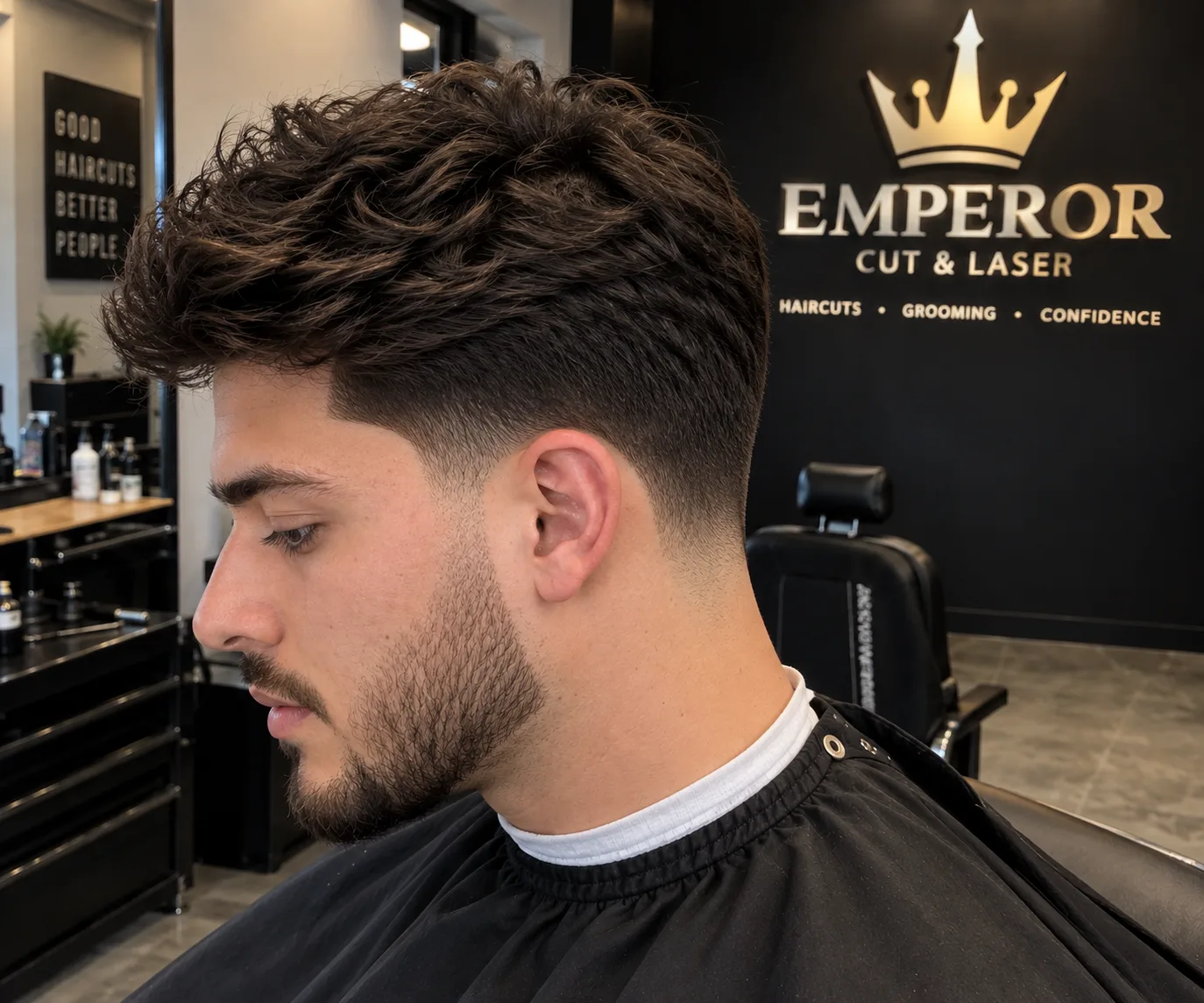
A taper fade is a more gradual reduction in length around specific areas of the haircut, most commonly the sideburns and neckline. Instead of taking the shortest point all the way to bare skin, the barber normally leaves some visible hair at the bottom of the taper.
That makes the taper fade haircut easy to blend into a wide range of hairstyles. It can keep the overall shape of a longer haircut while adding a clean finish around the edges. A taper can also be subtle enough for someone who wants a polished haircut without the strong contrast of a skin fade.
The word “taper” describes the gradual change in length, while “fade” is often used for a more complete blended transition through the sides and back. In everyday barbershop language, the terms can overlap, so showing your barber a reference photo is still one of the easiest ways to communicate the exact finish you want.
A taper also gives you more room to keep natural fullness around the sides and back. This can be useful if you wear your hair longer, prefer traditional men’s hairstyles, or want something that looks clean without making the fade the main feature of your haircut.
Skin Fade vs Taper Fade: Key Differences
The biggest difference is where the shortest length ends and how much of the sides and back are changed. A skin fade reaches bare skin and usually creates a stronger visual contrast. A taper leaves more hair at the edges and focuses the clean-up around the sideburns and neckline.
| Feature | Skin Fade | Taper Fade |
|---|---|---|
| Shortest length | Bare skin | Usually some visible hair remains |
| Main area | Sides and back, depending on fade height | Mainly sideburns and neckline |
| Overall contrast | Higher and more noticeable | Softer and more subtle |
| Grow-out | Can show regrowth sooner | Often blends into the haircut more gradually |
| Style flexibility | Works with many modern short and textured styles | Works especially well with classic and longer hairstyles |
| Maintenance | Usually needs more frequent touch-ups for a crisp finish | Often easier to stretch between appointments |
| Best for | A sharp, defined look | A clean finish with less contrast |
Before you choose, think about the visual line you want around your ears and neckline. A skin fade makes those areas look almost completely cleared out at the shortest point, so the haircut has a distinct freshly detailed appearance. A taper keeps the transition closer to the natural outline of the head, which can make the haircut feel more understated even when the top is styled aggressively.
The difference is also important if you wear different hairstyles during the week. Someone who changes between a textured crop, side part, and natural style may appreciate the flexibility of a taper because it does not dominate the shape of the haircut. Someone who usually keeps the same modern style may prefer the stronger framing created by a skin fade.
Another common point of confusion is bald fade vs taper fade. A bald fade is essentially a fade that reaches the skin, while a taper does not normally remove as much hair from the edges. If you are asking for a bald or skin fade, it helps to specify where you want the fade to start because low, mid, and high placement can create very different results.
Which Face Shapes Suit Each Style?
There is no single rule that says one fade works for every face shape. The better approach is to look at the balance between your face, hairline, hair density, and the amount of height or width you want your haircut to create.
A skin fade can work particularly well when you want the sides to look clean and tight while keeping attention on the hair on top. For some face shapes, leaving more height on top can help create a longer visual profile. For others, keeping the top closer to the head can make the overall haircut feel more balanced.
A taper can be useful when you want to preserve more fullness around the sides and back. That extra hair can support classic styles and can make the transition into longer hair look less abrupt.
Your hair type matters too. Straight, wavy, curly, and coily hair can all be faded or tapered, but the texture changes how the transition looks. Dense or curly hair may show the contrast of a skin fade more strongly, while a taper can create a softer outline around the natural texture.
Instead of choosing a style based only on a face-shape chart, tell your barber what you normally do with your hair, how much styling you are willing to do, and how often you want to return for maintenance. Those details often matter just as much as the shape of your face.
For example, someone with a rounder face may prefer some height on top and tighter sides, while someone with a naturally long face may prefer to preserve more width through the sides. These are starting points rather than strict rules. The finished haircut should account for your actual hairline, density, texture, and preferred style.
Maintenance and How Often You Need a Touch-Up
A skin fade usually needs more attention if your goal is to keep the skin-to-hair transition looking extremely crisp. Even when the haircut itself still looks good, short regrowth can become visible against the skin relatively quickly.
A taper is generally more forgiving as it grows out because the shortest section still contains some hair. That does not mean a taper never needs maintenance; it simply tends to keep a softer outline between appointments.
Your personal schedule should guide the choice. If you like a very fresh haircut and already visit the barbershop regularly, maintaining a skin fade may fit naturally into your routine. If you prefer to go longer between appointments, a taper may be easier to live with.
Here are a few practical signs that it is time for a touch-up:
- The neckline has lost its clean shape.
- The sideburns look heavier than you want.
- The fade no longer has a clear transition.
- The hair on the sides is starting to change the shape of the haircut.
Maintenance is also affected by how quickly your hair grows, the contrast between your hair and skin, and the exact fade height. Someone with fast-growing dark hair may notice changes sooner than someone whose regrowth is less visible.
A good barber can also help you choose a maintenance schedule based on the exact style. There is a difference between keeping a skin fade looking freshly detailed and simply keeping the general haircut shape under control. You do not necessarily need the same appointment frequency for both goals.
Which One Should You Choose?
If you are still asking, “which fade is best for me?”, start with the finish you want rather than the name of the haircut. The right choice in a skin fade vs taper fade comparison comes down to the amount of contrast, maintenance, and edge definition you prefer.
Choose a skin fade if you want:
- A very clean, sharp finish around the sides and back.
- Strong contrast between the skin and longer hair.
- A modern look that puts more visual focus on the top.
- A haircut you are comfortable maintaining regularly.
Choose a taper fade if you want:
- A cleaner neckline and sideburn area without taking the sides completely to skin.
- A softer transition that works well with classic or longer hairstyles.
- More visible fullness around the sides and back.
- A haircut that can grow out with less obvious contrast.
You can also combine ideas. For example, you might prefer a taper around the neckline but want more aggressive fading around the sides. The exact terminology varies between barbershops, so a reference photo can remove a lot of guesswork.
When you sit in the chair, describe the result you want in practical terms. Tell your barber how short you want the sides, whether you want the fade to reach the skin, where you want it to start, and how much length you want to keep on top. If you are unsure about the terminology, a photo can be more useful than trying to describe every transition with barbering terms.
One more consideration is your neckline. With a skin fade, the lower part of the fade can create a very defined finish that changes the appearance of the back of the haircut. With a taper, the neckline can remain more natural-looking while still being cleaned up. That small difference can matter if you wear collared shirts, work in a professional setting, or simply prefer a softer outline.
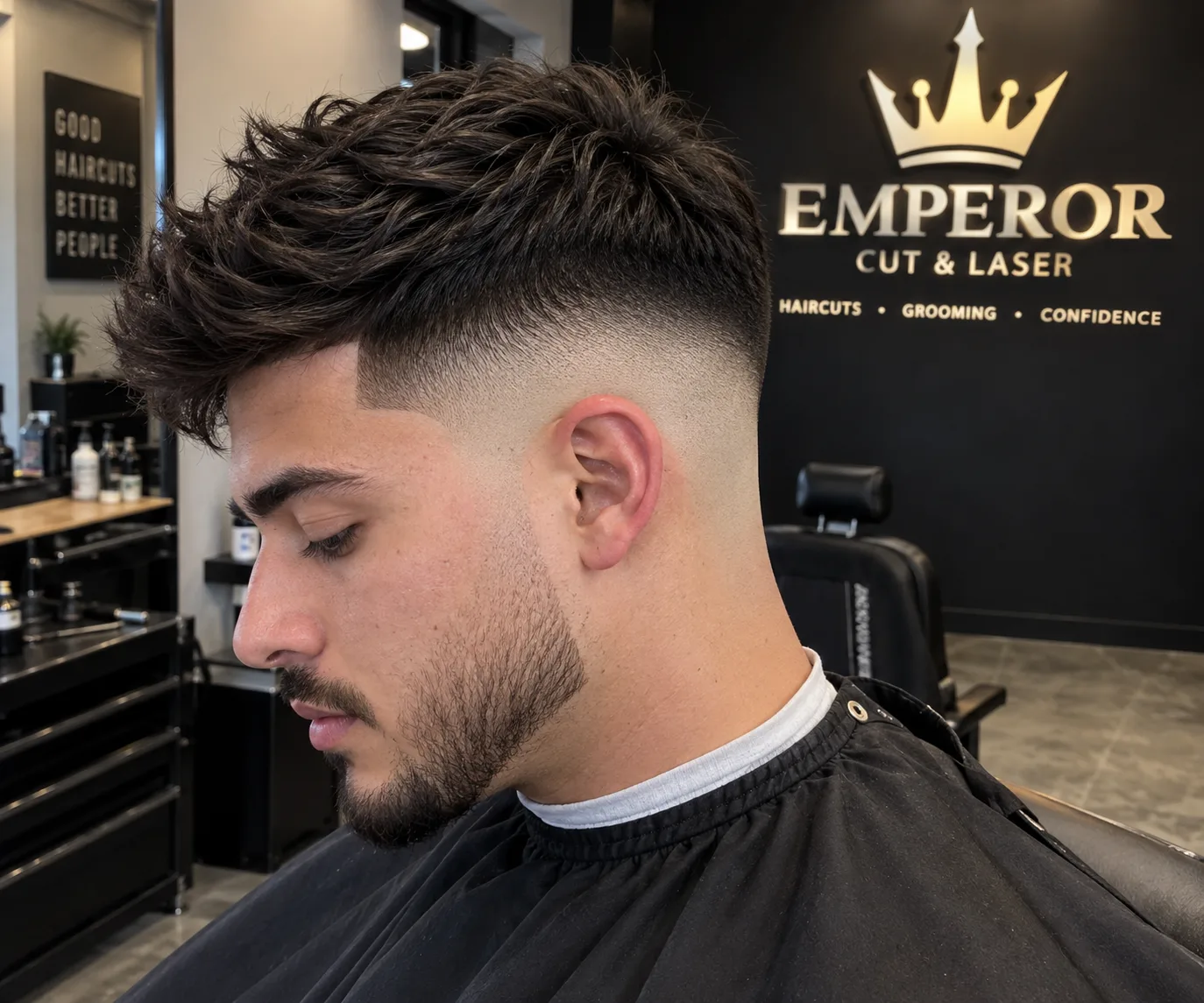
Get Your Skin Fade or Taper Fade at Emperor Cut & Laser
After comparing skin fade vs taper fade, the easiest next step is to match the haircut to your routine. At Emperor Cut & Laser, the goal is to match the haircut to your hair, preferred style, and maintenance routine rather than simply copying a trend.
If you are still deciding between a skin fade haircut and a taper fade haircut, you can use our full skin fade guide to see how different fade styles work before your appointment.
You can also review the skin fade service and choose a time that works for you through our online booking page. Emperor Cut & Laser is located in Little Elm, TX, serving Little Elm, Frisco, and the greater DFW area.
FAQ
Is a skin fade more expensive than a taper fade?
The price depends on the barbershop, the service booked, and the amount of work required. A skin fade may involve more detailed blending, but you should compare the actual service descriptions and current prices rather than assuming one style always costs more.
Does a taper fade grow out better than a skin fade?
A taper often has a softer grow-out because the shortest hair is not taken completely to the skin. A skin fade can show regrowth more quickly, especially when the fade is very tight and you want to maintain a crisp skin-to-hair transition.
Can beginners get a skin fade, or is it a bold first step?
Yes. A skin fade can be a first choice if you like a clean, high-contrast haircut. If you are unsure about going that short, ask your barber about a lower fade or a taper first and bring a reference photo.
How long does each style take at the barbershop?
Timing varies with the haircut, hair length, fade height, and the amount of detailing required. A skin fade generally requires careful blending at the shortest point, while a taper may focus more narrowly on the edges, but your barber can give you a better estimate based on the exact cut.
Leave a Reply